Soccer Injury Prevention: 3 Common Injuries and How to Keep Young Athletes on the Field
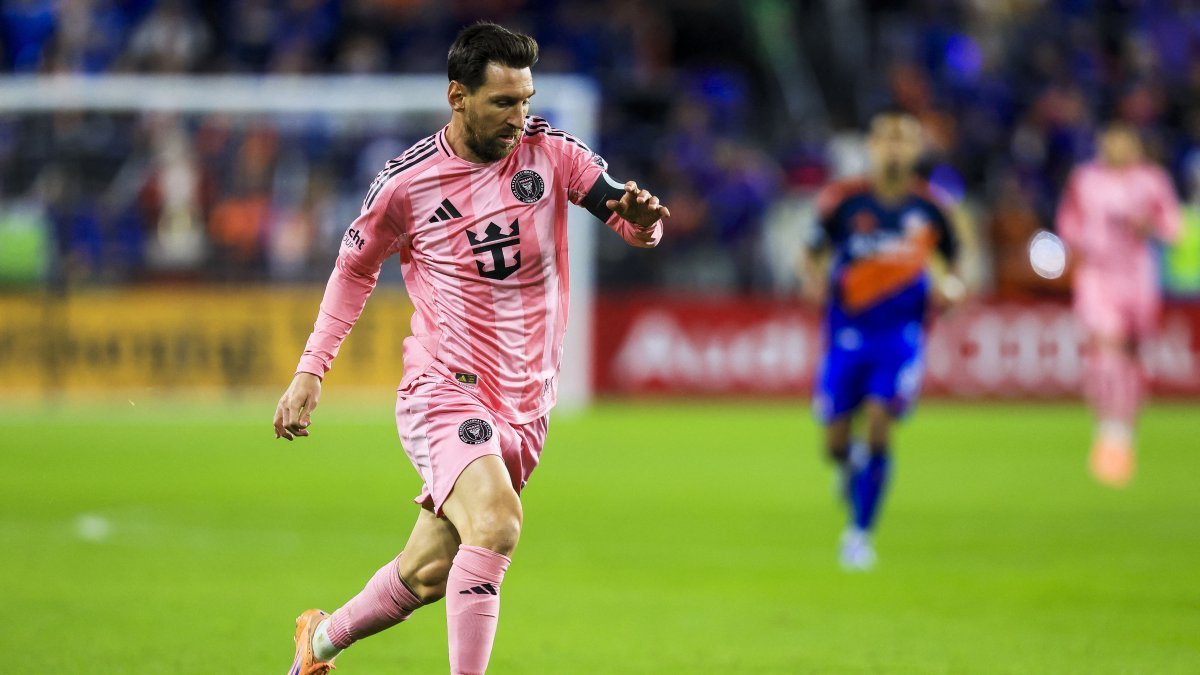
If your child plays soccer in Pickering, Ajax, Whitby, Markham, or Toronto, chances are they'll deal with aches and pains at some point during the season.
Soccer is a fast-paced sport. Players sprint, stop suddenly, cut side to side, jump, land, and kick hundreds of times during practices and games.
The good news? Many of the most common soccer injuries can be prevented with the right exercises and by treating small problems before they become bigger ones.
At Plus Ultra Performance & Therapy, we help soccer players stay healthy so they can spend more time playing and less time recovering.
The Three Most Common Soccer Injuries
When we see soccer players in the clinic, most injuries fall into one of these three areas:
Groin
Knee
Foot and ankle
Let's look at each one.
1. Groin Pain
Groin pain is very common in soccer because players are constantly sprinting, changing direction, and kicking the ball.
Sometimes it starts as tightness after practice. Other times it feels like a sharp pull when shooting or sprinting.
Signs you shouldn't ignore
Pain while kicking
Pain during sprinting
Tightness that doesn't go away
Pain when changing direction
One exercise to help
Modified Copenhagen Plank
This exercise helps strengthen the muscles on the inside of your thigh, which are heavily used during soccer.
Try:
Hold for 20–30 seconds
Complete 2–3 sets
Perform 2–3 times each week
2. Knee Pain
Knee pain is one of the biggest reasons young soccer players miss practices.
Growing athletes often put a lot of stress on their knees, especially during busy soccer seasons.
Pain can develop from:
Jumping
Landing
Running
Cutting
Playing multiple games each week
Warning signs
Pain going up or down stairs
Pain after games
Pain when squatting
Swelling around the knee
One exercise to help
Single-Leg Romanian Deadlift to Ball Pass
Focus on:
Slow, controlled movement
Keeping the knee lined up with the foot
Staying balanced
Perform:
2–3 sets
8–12 repetitions each leg
3. Ankle and Foot Injuries
Rolled ankles are one of the most common injuries in youth soccer.
The problem isn't just the first sprain, without proper rehab, another sprain becomes much more likely.
Common signs
Feeling unstable
Pain while running
Swelling
Difficulty balancing
One exercise to help
Split squat Isometric with Perturbation
Stand on one foot while reaching your other foot in different directions.
Try:
30–45 seconds
2 sets
Both legs
This simple exercise improves balance and helps prepare your ankle for the quick movements needed in soccer.
Don't Ignore Small Injuries
One of the biggest mistakes athletes make is trying to "play through it."
A small ache today can become weeks on the sidelines if it's ignored.
Consider getting assessed if pain:
Lasts longer than two days
Causes limping
Keeps coming back
Stops you from sprinting
Makes kicking painful
The earlier an injury is treated, the easier it usually is to recover.
When Should You See a Physiotherapist, chiropractor, or Massage Therapist?
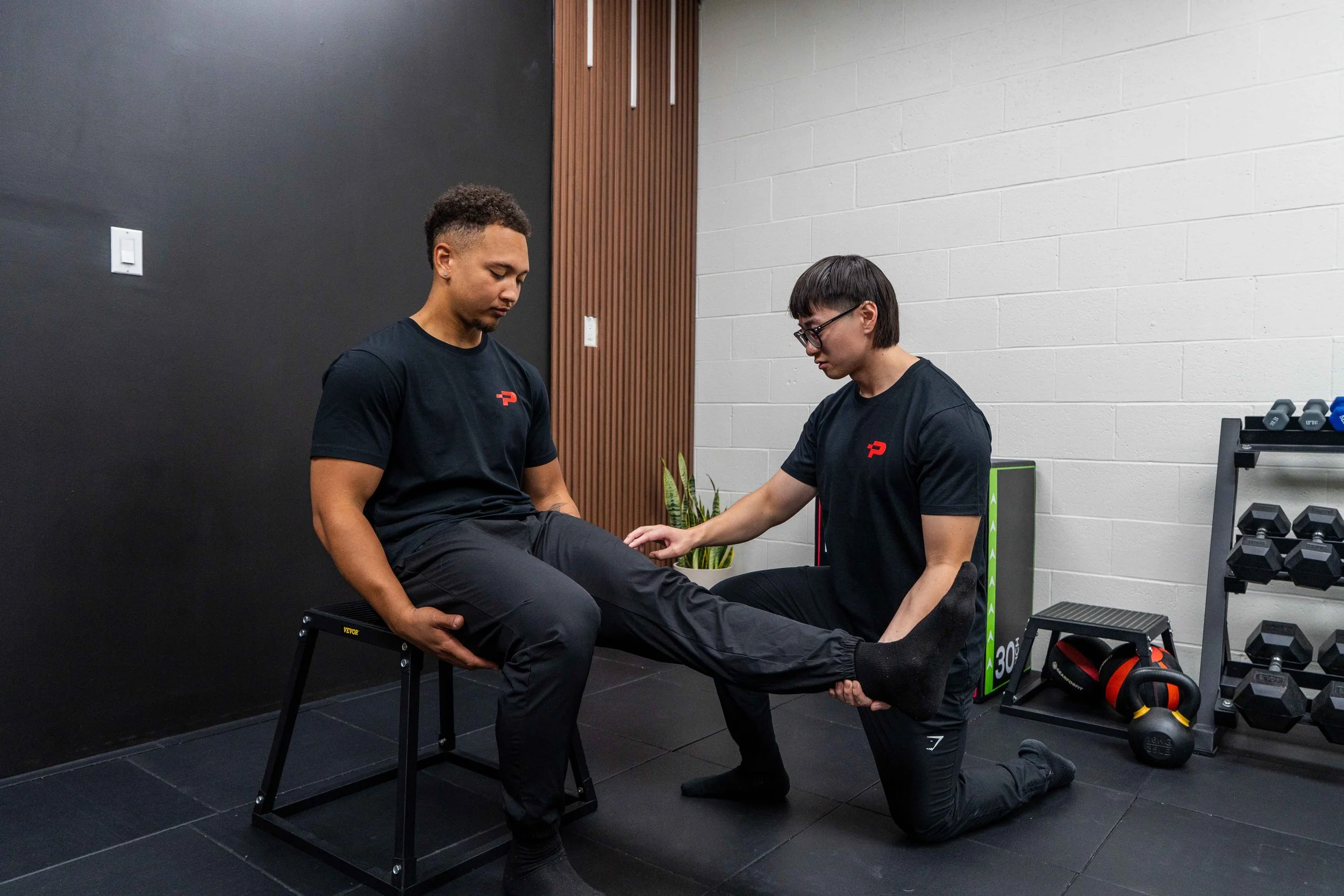
Not every injury needs complete rest.
In many cases, the right treatment and exercises can help athletes recover while staying active.
At Plus Ultra Performance & Therapy, our team works together to help soccer players:
Recover from injuries
Improve strength and balance
Return to sport safely
Reduce the risk of future injuries
Perform their best throughout the season
Whether you're dealing with groin pain, knee pain, or an ankle injury, we'll create a plan that's right for you.
Our team at Plus Ultra Performance & Therapy proudly helps soccer players from Pickering, Ajax, Whitby, Markham, Scarborough, and the Greater Toronto Area stay healthy, recover faster, and get back on the field with confidence.
Book an assessment today and let us help you stay in the game.