Rotator Cuff Injury: Causes, Symptoms, and What Actually Helps
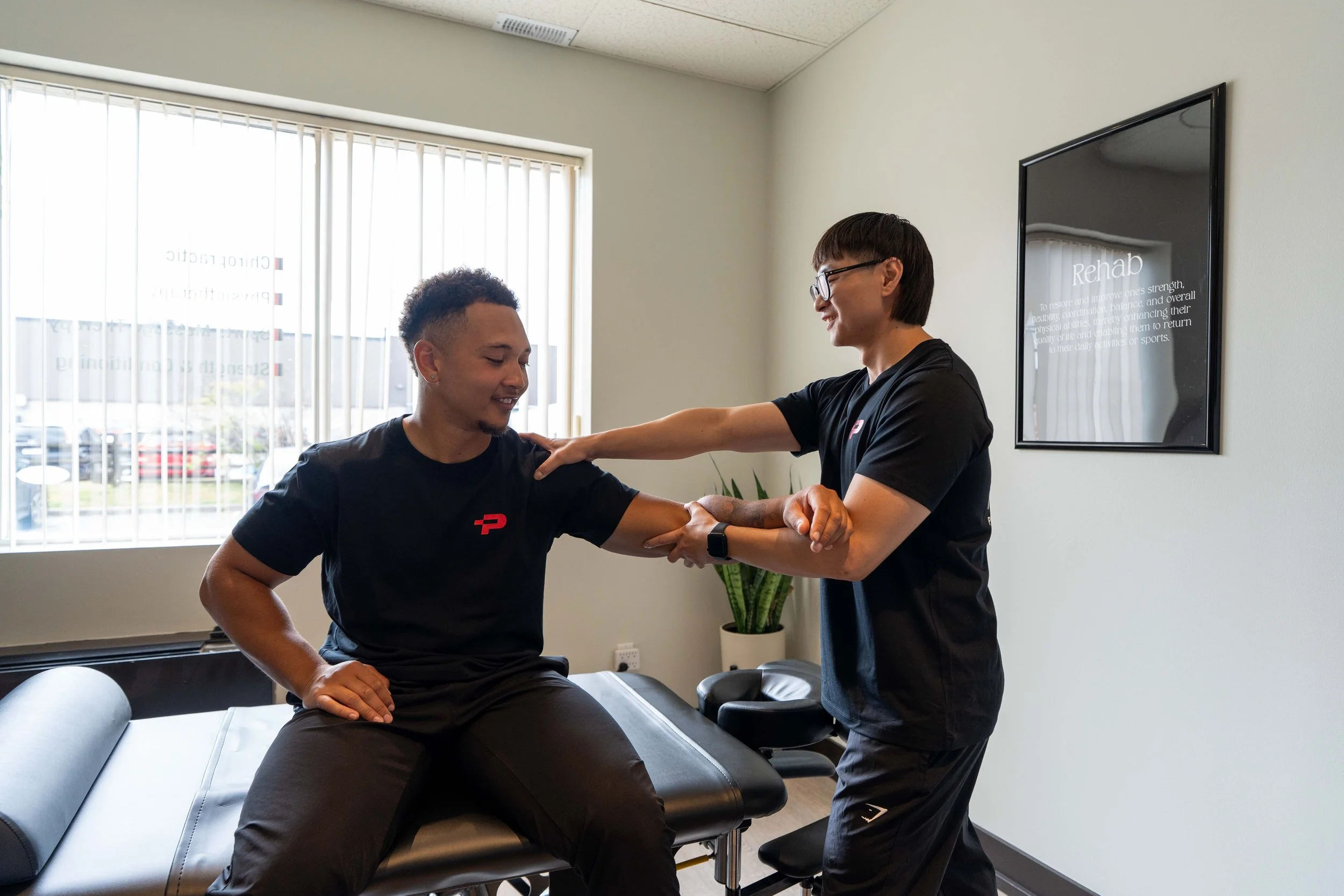
A rotator cuff injury is one of the most common reasons people experience shoulder pain — especially when lifting, reaching overhead, or trying to sleep comfortably.
If you’ve ever felt sharp or lingering shoulder pain during workouts, work tasks, or daily activities, you may be dealing with a rotator cuff injury. The good news?
Most rotator cuff injuries respond very well to conservative treatment like physiotherapy, chiropractic care, and massage therapy — without surgery.
What Is a Rotator Cuff Injury?
The rotator cuff is a group of four small muscles and tendons that help stabilize your shoulder and control arm movement.
A rotator cuff injury doesn’t always mean something is “torn.”
In many cases, it refers to:
Irritation of the tendon
Overload from repetitive use
Weakness or poor shoulder control
Reduced mobility in the shoulder or upper back
These issues can build up gradually or appear after a sudden increase in activity.
Common Causes of Rotator Cuff Injuries
Rotator cuff injuries often develop over time rather than from a single accident.
Common causes include:
Repetitive overhead movements (gym, sports, work)
Poor posture or prolonged desk work
Weakness or muscle imbalance around the shoulder
Limited upper-back mobility
Previous shoulder injuries
Sudden changes in training or workload
In places like Pickering and the GTA, we commonly see rotator cuff injuries in people balancing desk jobs with workouts or recreational sports.
Common Symptoms of a Rotator Cuff Injury
Rotator cuff injuries can feel different from person to person, but common symptoms include:
Pain when lifting the arm overhead
Discomfort reaching behind your back
Shoulder pain at night or when lying on one side
Weakness or fatigue in the shoulder
Pain during pushing, pulling, or pressing movements
A catching, pinching, or sharp sensation in the shoulder
These symptoms can make daily tasks and exercise frustrating if not addressed.
Does a Rotator Cuff Injury Mean a Tear?Not necessarily. Many people assume that rotator cuff injuries automatically mean a tear, but that’s often not the case.
Irritation, tendon overload, or movement dysfunction are far more common than full tears.Even when imaging shows a tear, many people improve significantly with proper rehabilitation and guided exercise.
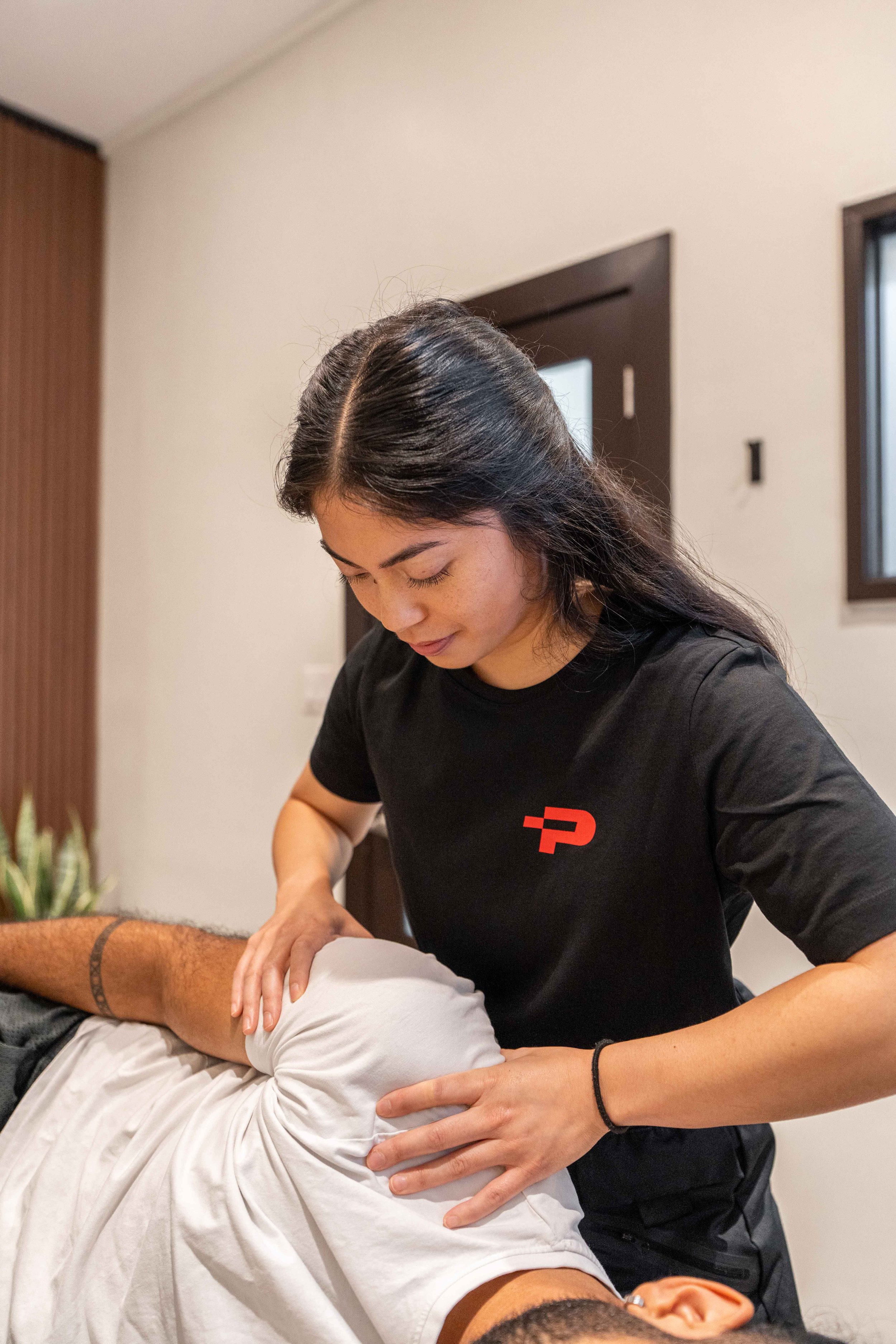
How Physiotherapy, Chiropractic, and Massage Therapy Can Help
At Plus Ultra Performance & Therapy, treating a rotator cuff injury means looking beyond the shoulder itself.
Your care may include:
A detailed shoulder and movement assessment
Hands-on treatment to reduce pain and stiffness
Exercises to improve rotator cuff strength and control
Improving upper-back and shoulder blade mobility
Gradual return-to-gym or sport guidance
Education on posture, training habits, and daily movement
Care is often collaborative — combining physiotherapy, chiropractic care, and massage therapy when appropriate.
What to Expect From Rotator Cuff Injury Treatment
Most people begin noticing improvement within the first few sessions when treatment is consistent and targeted.
The goal is to:
Reduce pain and irritation
Restore normal shoulder movement
Build long-term strength and resilience
Prevent the injury from returning
Your plan is adjusted based on how your shoulder responds — not a cookie-cutter timeline.
When Should You Get a Rotator Cuff Injury Checked?
You should consider a professional assessment if:
Shoulder pain lasts longer than 2–3 weeks
Pain is affecting sleep or workouts
You notice weakness or instability
Symptoms keep coming back despite rest
Early assessment often leads to faster recovery and better outcomes.
Get your shoulder assessed by our chiropractors and physiotherapists