
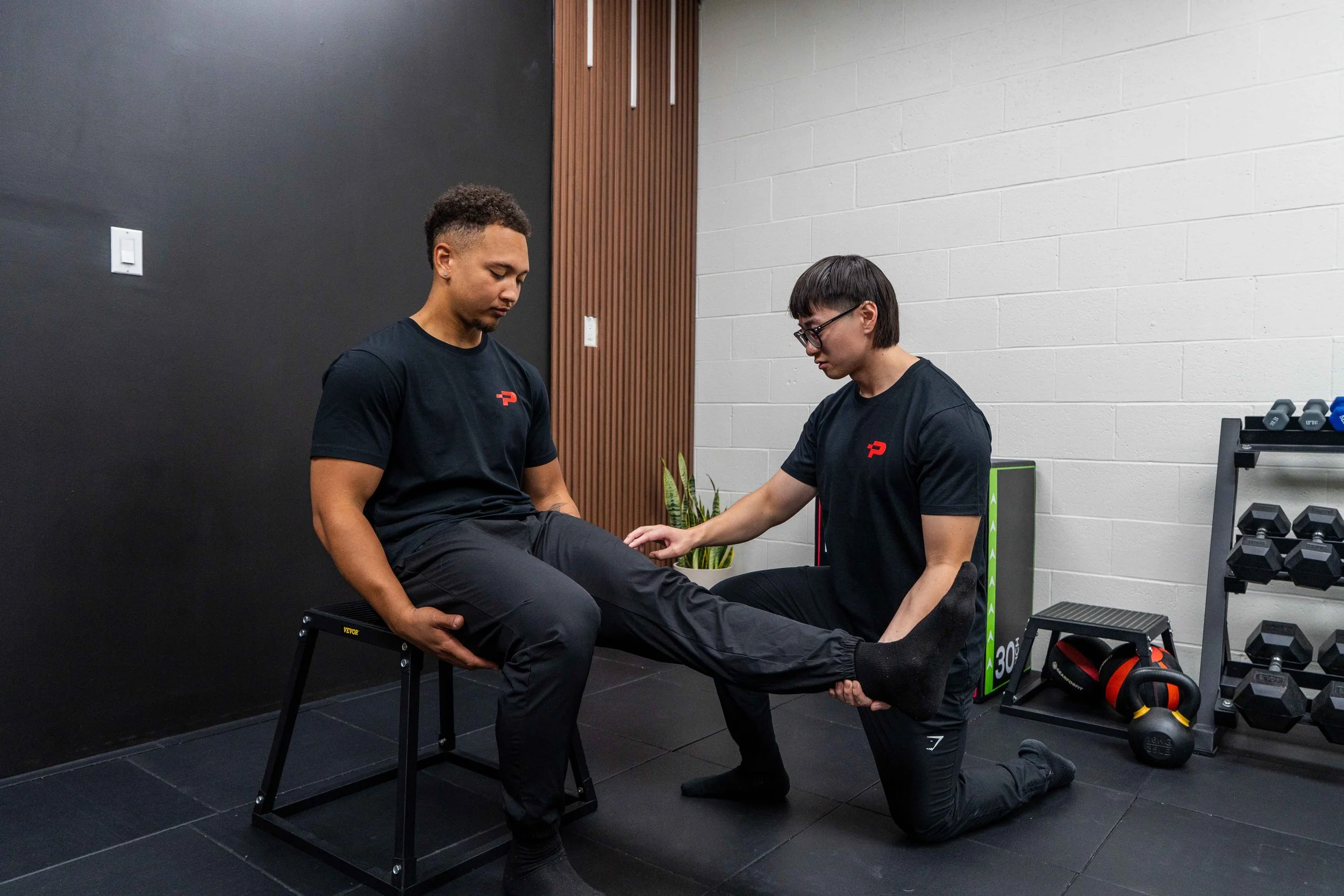
Athletic therapy
Take your strength and performance to the next level with athletic therapy
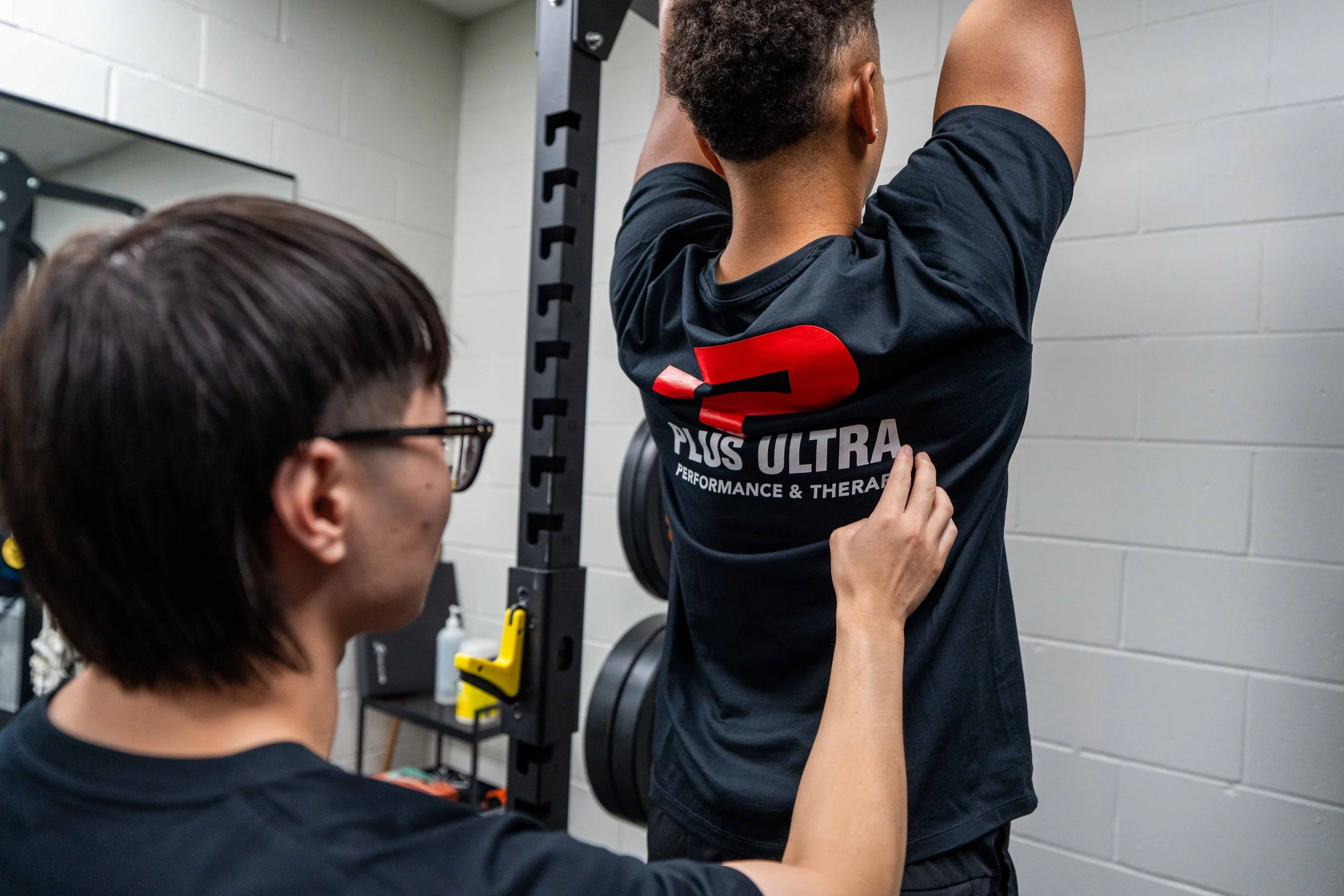
What is Athletic therapy?
Athletic Therapy is a specialized form of care focused on the prevention, assessment, treatment, and rehabilitation of injuries affecting muscles, joints, ligaments, and nerves. While commonly associated with athletes, Athletic Therapy is for anyone experiencing pain, injury, or movement limitations whether from sports, work, or everyday activities.
Athletic Therapists are experts in injury assessment and functional movement. We identify the root cause of pain and develop individualized treatment plans designed not only to reduce symptoms, but to restore strength, stability, and performance.
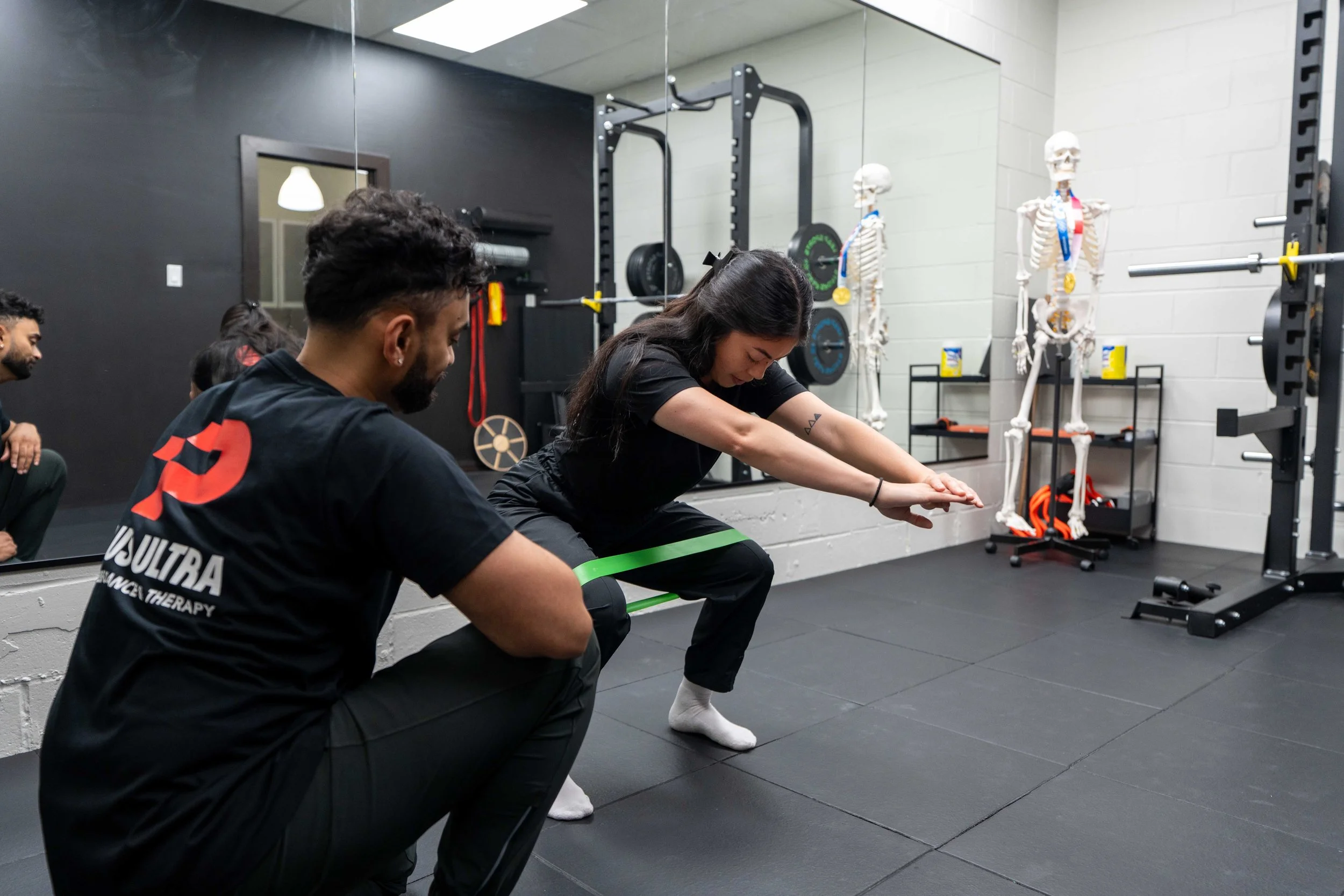
A key component of Athletic Therapy is progressive strength and conditioning. This allows patients to rebuild resilience, improve performance, and reduce the risk of re-injury. Whether you’re returning to sport, recovering from surgery, or simply wanting to move pain-free, structured strength programming plays a critical role in long-term results.
Athletic Therapy is especially effective for:
Sprains and strains
Muscle tears
Tendonitis and overuse injuries
Post-surgical rehabilitation
Neck, back, and shoulder pain
Knee, ankle, and hip injuries
Sports-related injuries
The goal of Athletic Therapy is not just to help you feel better — it’s to help you move stronger, perform better, and return to the activities you enjoy with confidence.
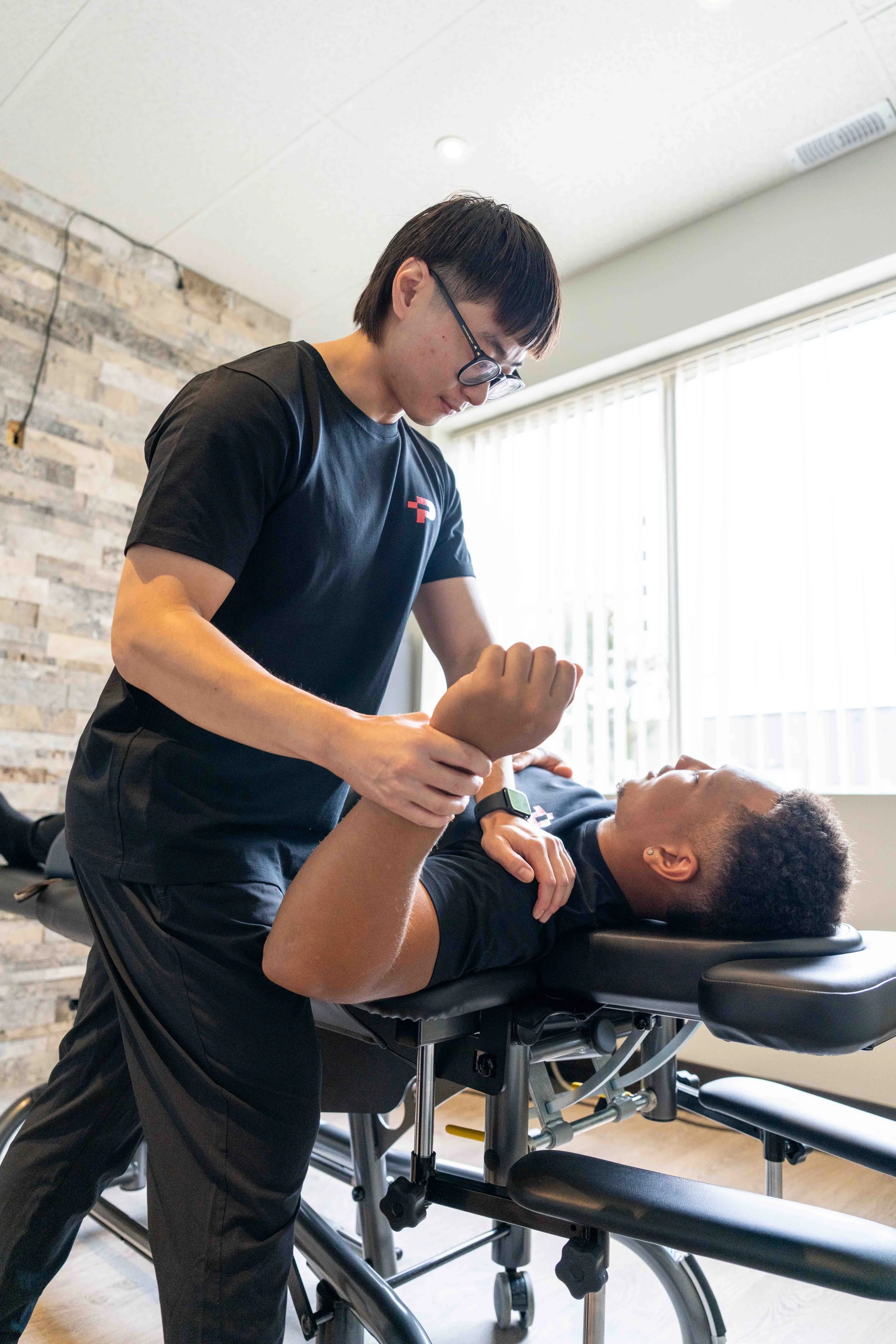
What to Expect From Your First Athletic therapy visit
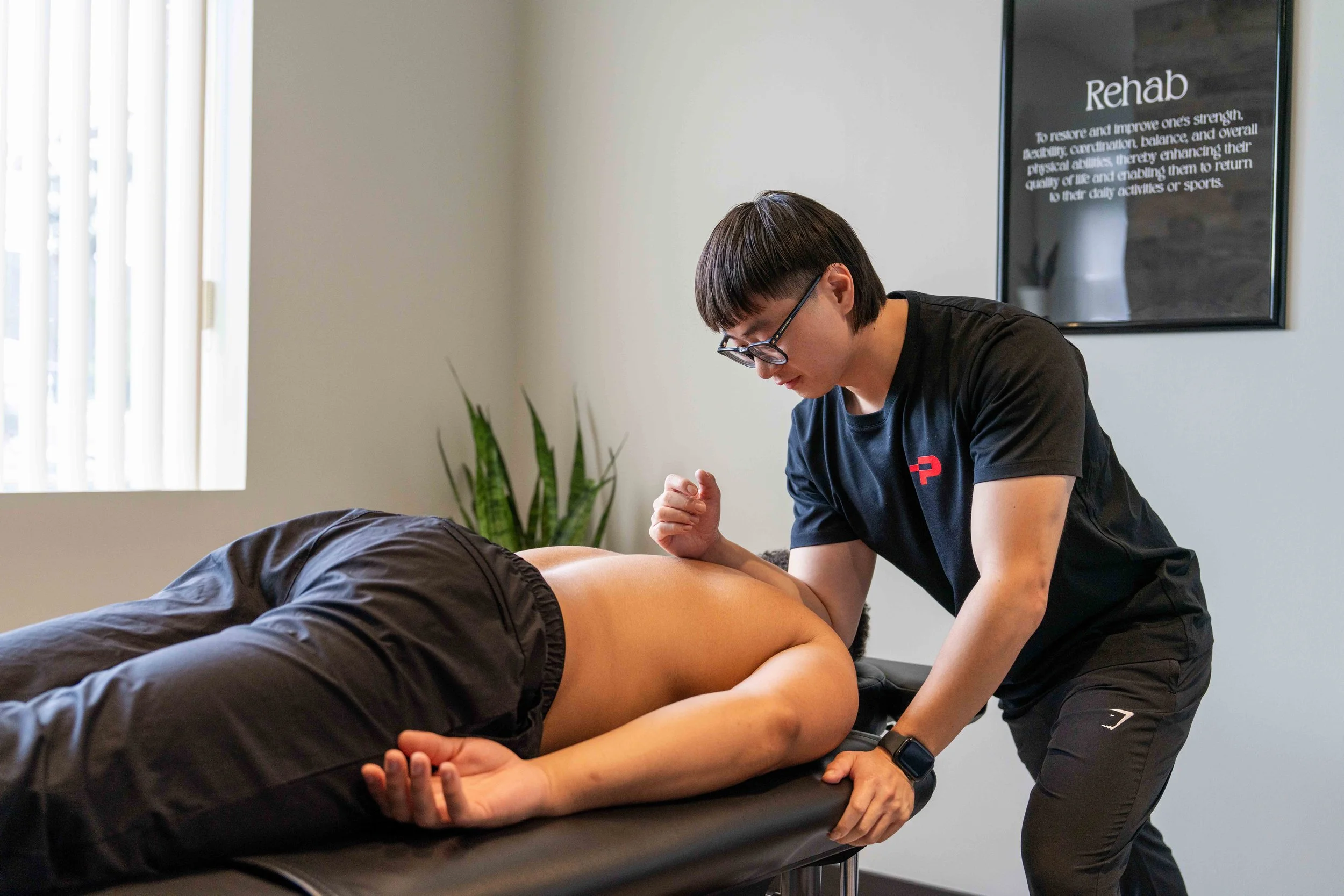
Have questions about Athletic therapy?
Our athletic therapists offer virtual consultations to help you understand if it’s the right approach for your needs.
What to Wear
For your comfort, we recommend wearing loose-fitted or athletic clothing to your appointment. This makes it easier to move through assessments, exercise prescriptions, and hands-on techniques like soft tissue release and mobilizations.
At Plus Ultra Performance & Therapy, our athletic therapists use a wide range of modern, evidence-based techniques to provide effective pain relief, injury recovery, and long-term mobility improvements. Each treatment plan is personalized to target the root cause of your discomfort and enhance overall performance.
Techniques Our Athletic therapists Use
Myofascial Release Techniques
Gentle, targeted pressure is applied to release tight fascia, reduce restrictions, and improve mobility and flexibility.
Soft Tissue Therapy
Hands-on treatment to relieve tightness, improve circulation, and support faster muscle recovery.
Muscle Release Techniques
Combining movement and stretching to reduce muscle tension, restore proper function, and support injury recovery.
Exercise Prescription & Rehabilitation
Customized corrective exercises designed to strengthen, stabilize, and prevent re-injury, enhancing both rehabilitation and sports performance.
Instrument Assisted Soft Tissue Mobilization
Using specialized tools to break down scar tissue, release tension, and restore mobility in muscles and fascia.
Joint Mobilizations
Restoring normal motion in stiff joints to reduce back pain, neck pain, and joint pain, while improving range of motion and posture.
Frequently Asked Questions
-
Absolutely. Athletic therapy is an effective approach for anyone who is looking to gain guidance with rehab, strength training, and injury management.
-
You don’t need a doctors referral to see an athletic therapist. However, insurance companies may require it depending on your plan.
-
Every case is unique. After your initial assessment, your athletic therapist will outline a plan based on your condition, goals, and daily demands. Many patients notice improvement within a few visits, while more chronic or recurring issues may require a longer plan to address the root cause, rebuild strength, and prevent the problem from returning. Our goal is lasting results, not temporary relief.
-
Your first appointment includes a thorough assessment, movement testing, and diagnosis. Your athletic therapist will then explain your condition and provide a treatment plan customized to your needs, which may include hands-on care and exercises to continue at home.