
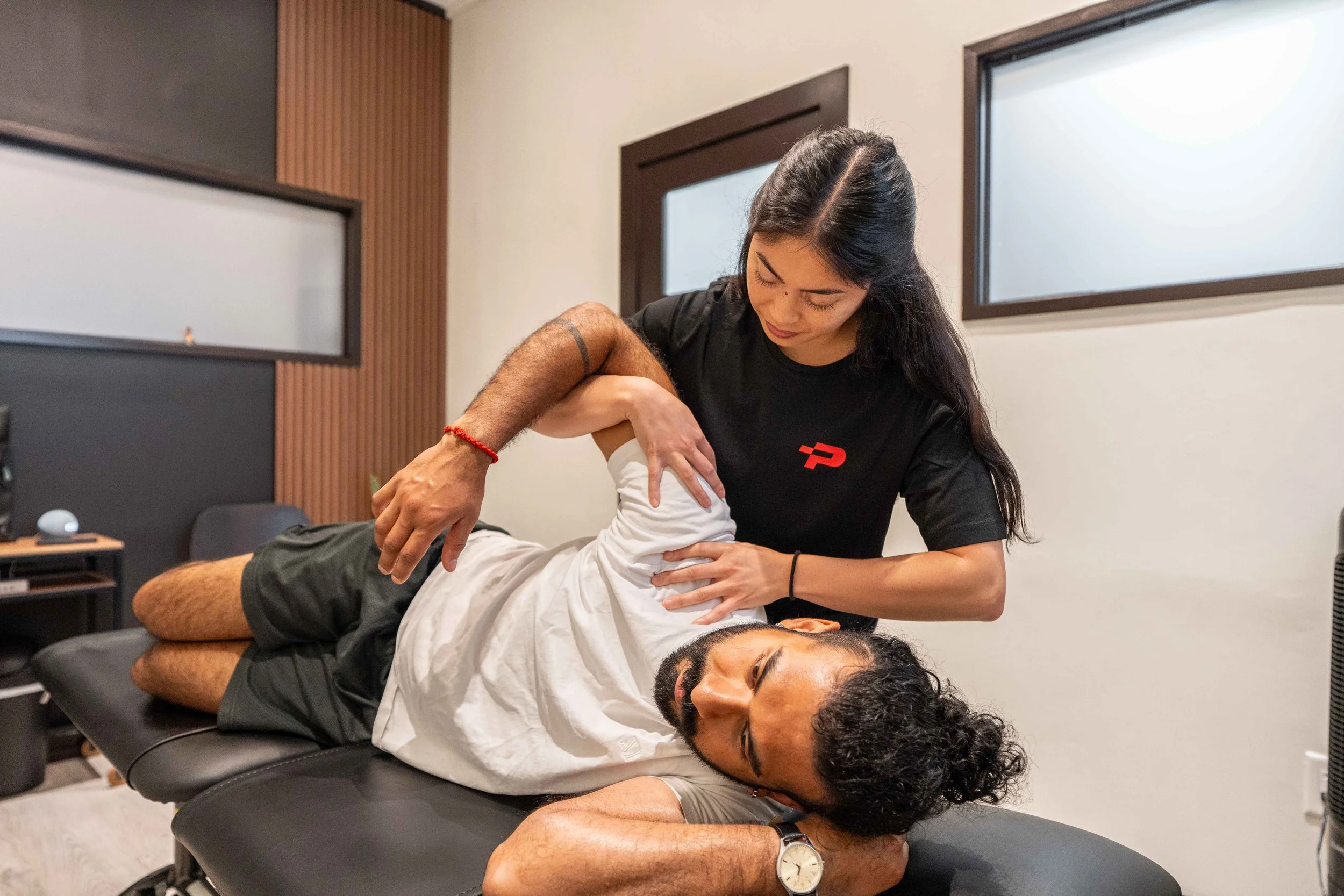
Shoulder PAIN Treatment in Pickering
Move past shoulder pain. Restore comfort. Elevate your everyday.
HOW SHOULDER pain COMMONLY SHOWS UP
People experience shoulder pain in different ways. You might be here because:
Sharp or aching pain during reaching, pushing, or pulling movements
Pain when lifting the arm overhead
Weakness in the shoulder or arm
Sharp or catching pain with movements
Pain when lying on the affected shoulder
Radiating pain down the arm
Why did my shoulder pain develop?
Shoulder pain is a common condition that affects people of all ages and can develop from overuse, poor posture, repetitive strain, or injury. The shoulder is one of the most complex joints in the body, relying on a network of bones, muscles, tendons, ligaments, and nerves to move smoothly. When any of these structures are irritated or damaged, it can result in pain, stiffness, weakness, or reduced range of motion. If you’re searching for effective shoulder pain treatment in Pickering, targeted care can help relieve pain, restore mobility, and prevent the problem from becoming chronic. Read below to learn more about common shoulder pain symptoms and treatment options.
Shoulder impingement
Tendon irritation or tendinopathy
Shoulder stiffness or reduced mobility
Frozen shoulder (adhesive capsulitis)
Shoulder instability or feeling of looseness
Overuse or repetitive strain injuries
Postural-related shoulder pain
Pain following previous shoulder injuries
Shoulder pain related to neck or upper back stiffness
SHOULDER CONDITIONS WE COMMONLY HELP WITH
What is causing my SHOULDER PAIN?
Shoulder pain and issues often develop due to a combination of:
-
The shoulder relies on balanced strength and coordination between multiple muscles. Weakness or tightness in key areas can alter how forces are distributed, increasing strain on the joint and surrounding tissues.
-
When the shoulder doesn’t move efficiently, certain tissues can become overloaded over time. This may lead to irritation, pain, or stiffness — especially during lifting, reaching, or repetitive activities.
-
Long periods of sitting, desk work, or forward-rounded posture can place stress on the shoulder and upper back. Over time, this may limit mobility and contribute to discomfort or reduced shoulder tolerance.
-
Repetitive movements - such as overhead work, sports, or training, can irritate tendons and muscles when recovery or movement quality isn’t optimal. This often develops gradually rather than from a single incident.
-
Falls, sudden impacts, or previous shoulder injuries can affect joint function, strength, or stability. Even after the initial injury heals, lingering movement limitations may contribute to recurring pain.
HOW chiropractors, physiotherapy, and massage therapy can help
The good news is that most shoulder pain responds very well to a conservative, movement-based approach when the right contributing factors are identified and addressed early.
At Plus Ultra Performance & Therapy in Pickering, shoulder pain care begins with a thorough assessment to understand how your shoulder is moving, how the surrounding muscles and joints are functioning, and what may be contributing to ongoing pain, stiffness, or weakness.
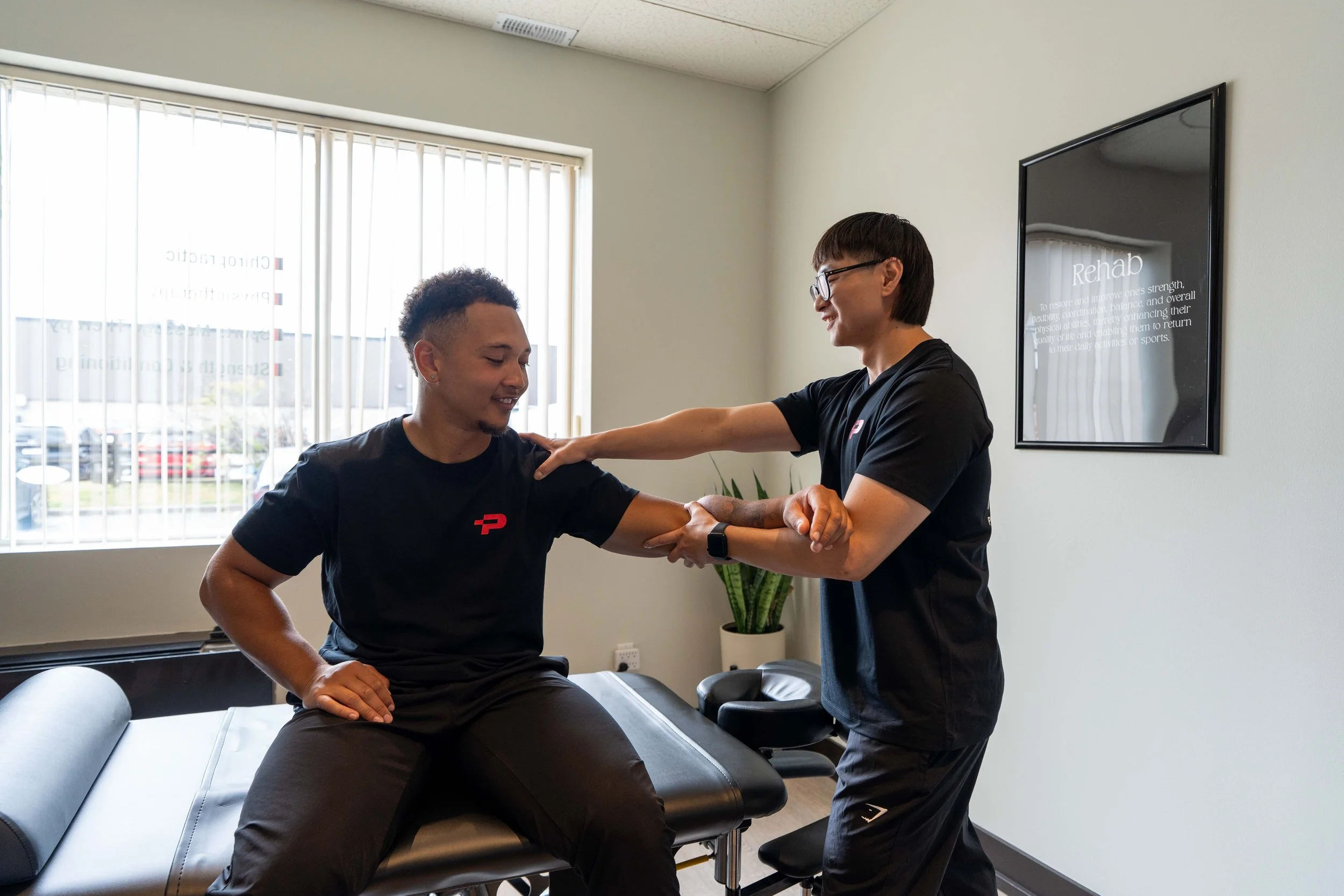
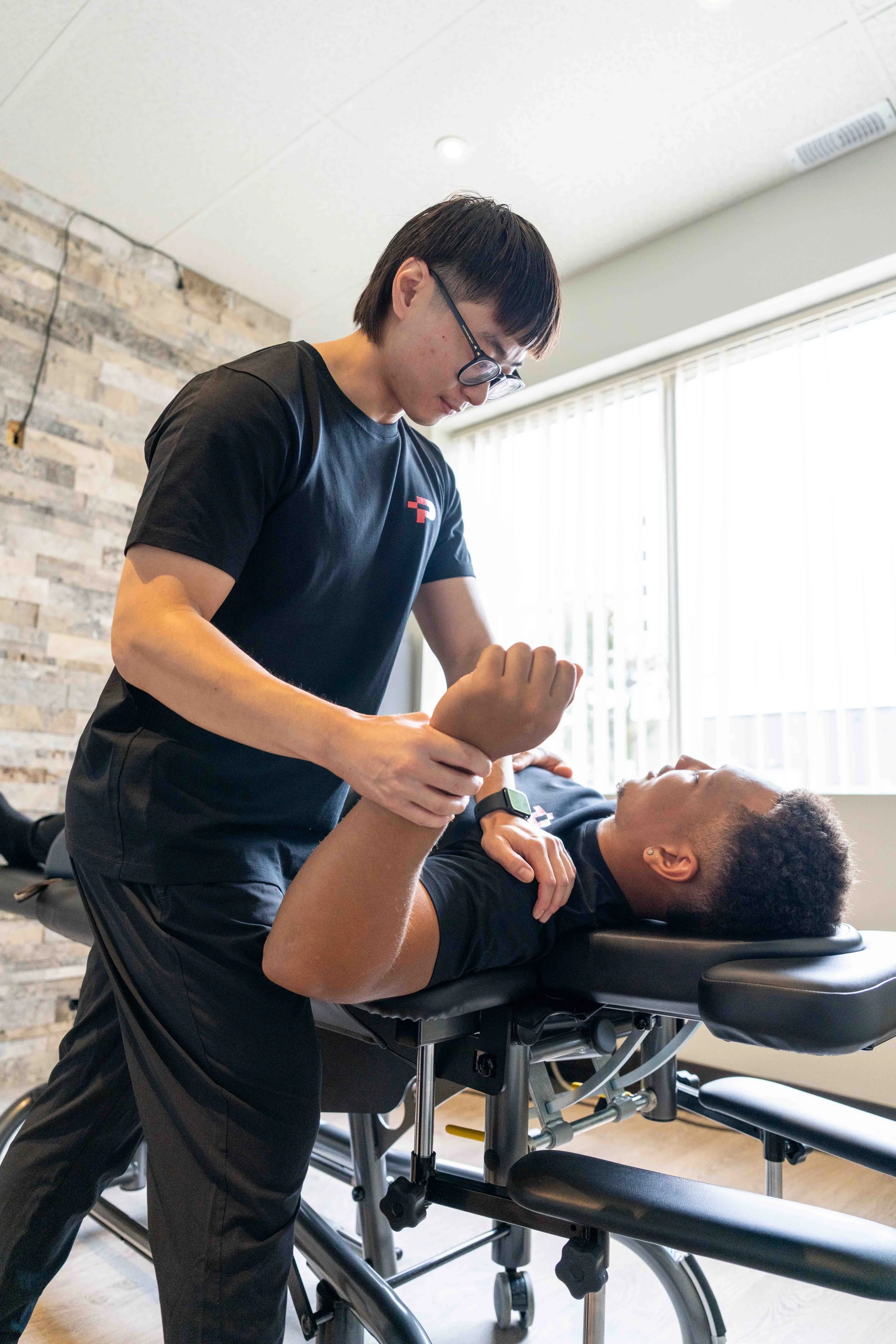
Our Pickering chiropractors, physiotherapists, and registered massage therapists assess shoulder movement quality, joint function, posture, and muscle balance. Treatment may include hands-on therapy, joint mobilization, soft-tissue techniques, targeted exercise prescription, and movement retraining to restore mobility, reduce strain, and improve how your shoulder tolerates daily and athletic activities.
Because shoulder pain is often influenced by nearby regions, your clinician may also assess the neck, upper back, and nervous system to identify contributing factors that may be keeping symptoms lingering or recurring.
Book an Assessment for Shoulder Pain
Book your chiropractic assessment for shoulder pain here
Book your physiotherapy assessment for shoulder pain here
Registered massage therapy is also an effective option for shoulder pain, helping to reduce muscle tension, improve comfort, and support better movement - especially when combined with active rehabilitation.
What to Expect at Your First Visit
Your first appointment with our team is one hour, regardless of which clinician you see.
During this session, we will:
Take time to understand your symptoms and goals
Assess how your shoulder is moving and functioning
Begin appropriate treatment to address your findings
Before you leave, you’ll have clear guidance on what’s contributing to your pain and follow-up care is recommended to support recovery and long-term function.
shoulder pain Frequently Asked Questions
-
Has lasted more than a few days
Is limiting your movement or daily activities
Issues with mobility of shoulder
Is associated with stiffness, radiating symptoms, or numbness or tingling
Keeps returning despite rest or self-care
Early assessment can help identify contributing factors and prevent symptoms from becoming more persistent
-
Physiotherapy focuses on restoring movement, strength, and control. Treatment for shoulder pain may include:
Joint and soft tissue techniques
Postural and movement assessments
Strengthening and mobility exercises
Education on ergonomics and activity modification
Physiotherapy is especially helpful for people with recurrent shoulder pain related to work, sport, or daily activities.
-
Chiropractic care focuses on joint function and movement quality. Treatment may include:
Joint mobilization or manipulation
Soft tissue techniques
Movement and postural assessment
Exercise and lifestyle recommendations
Because shoulder pain is often influenced by other regions, chiropractors may also assess the neck, and thoracic spine.
-
Massage therapy can help reduce muscle tension, improve circulation, and support recovery. It’s often used to:
Decrease stiffness and tightness
Improve comfort and mobility
Support other treatments like physiotherapy or chiropractic care
If you’re not experiencing numbness or tingling, massage therapy can be an excellent choice to help reduce muscle stiffness in the shoulder and surrounding areas
-
In most cases, imaging is not needed right away for shoulder pain. Many common shoulder issues — including rotator cuff–related pain, stiffness, or irritation — can often be identified through a thorough assessment and respond well to conservative care.
Imaging may be considered if:
Pain is severe or worsening
There is significant loss of strength or function
Symptoms are not improving as expected over time
A more complex injury is suspected
If imaging or referral is appropriate, our team will discuss this with you and help guide next steps.
-
There is no one-size-fits-all treatment. The most effective approach is often a combination of:
Manual therapy
Movement-based rehabilitation
Education and lifestyle guidance
All of our clinicians are able to employ things listed above. At Plus Ultra Performance & Therapy, we take a collaborative approach to match treatment to your specific needs.
Still dealing with shoulder pain?
Book an assessment with our team to identify the root cause and create a personalized plan to get you moving comfortably again.